
Electromyography (EMG) Evaluation in Tamarac, FL
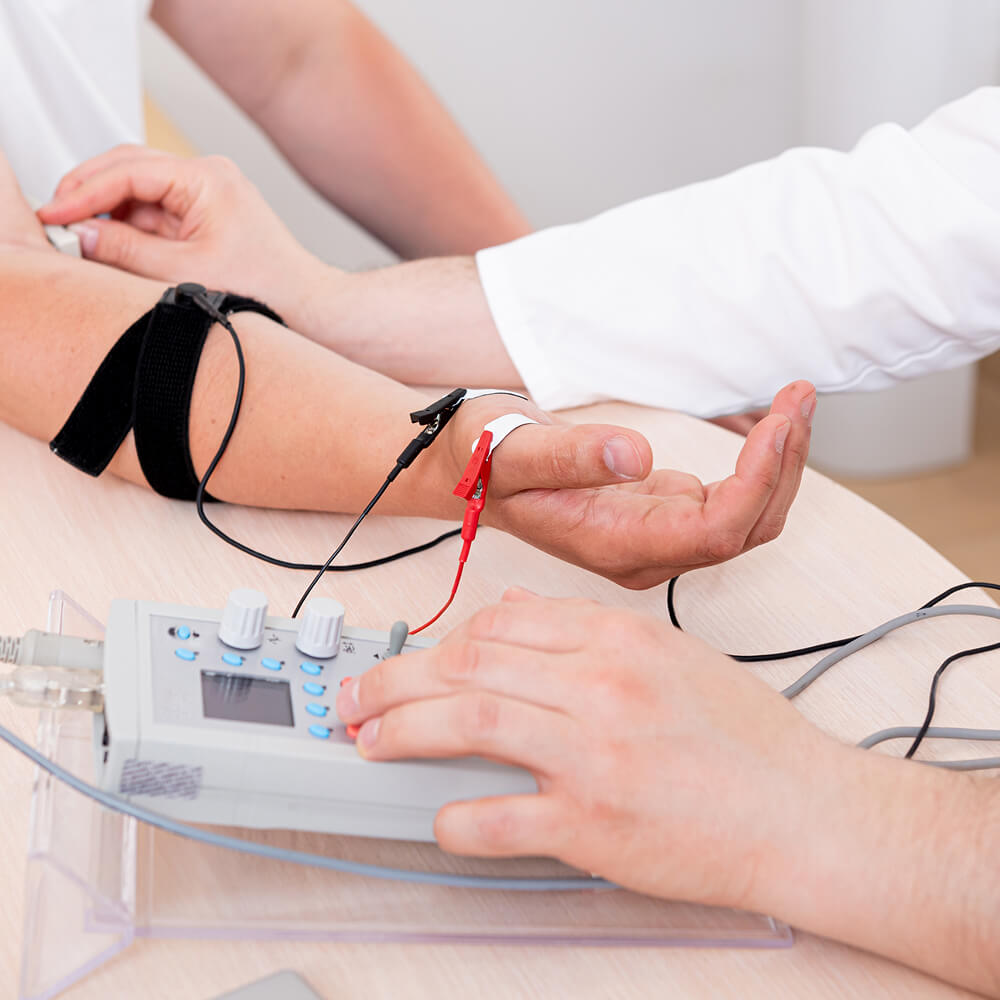
Specialized Neurological Evaluation With EMG Testing
Electromyography Test Overview
During an EMG, a small needle electrode is inserted into selected muscles to record their electrical activity while the muscles are at rest and during contraction. A nerve conduction study measures how fast and how well electrical signals travel through a nerve with electrodes placed on the skin.
Your neurologist will choose which muscles and nerves to test based on your symptoms, medical history, and physical examination. Together, EMG and nerve conduction studies can help determine whether your symptoms are more likely related to a nerve disorder, muscle disorder, or another condition affecting nerve and muscle function.


Clinical Uses of Electromyography
EMG is recommended for evaluating the symptoms of nerve or muscle disorder, such as:
- Tingling or numbness
- Muscle pain or cramping
- Muscle weakness
- Muscle twitching or spasms
EMG can help evaluate conditions such as:
- Muscular dystrophy
- Polymyositis
- Myasthenia gravis
- Carpal tunnel syndrome
- Cubital tunnel syndrome
- Peripheral neuropathy
- Sciatica and other nerve-root problems
Risks and Limitations of Electromyography
In general, EMG is a low-risk test. You may have temporary discomfort, muscle soreness, or minor bruising where the needle electrode is inserted. Rare complications include bleeding, infection, or nerve injury.
Testing muscles close to the chest wall has a very small risk of pneumothorax (air leaking into the space between the lung and chest wall, causing the lung to collapse).
EMG results are also limited. An abnormal result doesn’t always tell your neurologist the exact cause of your symptoms, so your neurologist will interpret the results according to your overall clinical information.


EMG Test Preparation
An Electromyography test usually requires little preparation. Following a few simple guidelines can help ensure accurate test results.
Before your test:
- Bathe or shower so your skin is clean. This helps the electrodes work well.
- Do not use lotion, cream, or sunscreen on the test area.
- Wear loose clothing that gives easy access to the area being tested.
- Tell your provider about every medication you take.
- Tell your provider if you take warfarin or any other blood thinner or anticoagulant. Do not stop it unless your provider tells you to.
- Tell your provider if you have a pacemaker or defibrillator.
You may get extra instructions based on your health and the areas being tested.
What to Expect During an EMG Test
Before the Test
Your provider reviews your symptoms and history, and then decides which nerves and muscles to check. You’ll be comfortably seated or lying down during the test.
During the Test
Surface electrodes go on your skin first. A mild electrical pulse stimulates the nerve being tested. For the needle portion, a thin electrode goes into selected muscles. You may be asked to relax, then gently contract the muscle. Mild discomfort is common when the needle is inserted.
After the Test
Your provider removes the electrodes, and you can usually return to normal activities. The tested muscles may feel sore or bruised for a short time.


Electromyography Aftercare Guidelines
Most people need no special aftercare. Mild soreness or bruising at the needle sites usually eases within a few days.
Follow any instructions from your neurologist. Call your provider if you have unusual or lasting pain, swelling, bleeding, or other concerning symptoms.
EMG Results and Next Steps
After your EMG procedure, your neurologist will review the results along with your symptoms, medical history, and physical examination.
Your neurologist will explain the findings and discuss what they mean for your health. Depending on the results, you may need additional testing, monitoring, or treatment.

Why Choose Ismail MD

Comprehensive Neurological Evaluation

Personalized Treatment and Follow-Up
Care is tailored to your symptoms, diagnosis, medical history, and treatment needs, with follow-up to monitor changes and adjust care when needed.

Mental
Health Care
Neurology and psychiatry services in one practice for conditions that may involve both neurological and mental health needs.







Frequently Asked Questions About EMG
Is the electromyography test painful?
You may feel brief discomfort when the needle goes in, or a muscle is tested. Most people complete the test without significant problems.
How long does an Electromyography test take?
It depends on how many nerves and muscles need testing. An EMG procedure with nerve conduction studies can take 30 minutes to over an hour.
Can I take my medications before an EMG?
Tell your provider about all your medications, especially blood thinners. Do not stop or change any medicine unless your provider instructs you to.
What conditions can an EMG detect?
Electromyography and nerve conduction tests help evaluate carpal tunnel syndrome, peripheral neuropathy, myasthenia gravis, muscle disorders, and nerve-root problems.
What happens after an electromyography test?
Your EMG specialist reviews the findings and considers them along with your symptoms, medical history, and examination. Additional testing or treatment may be recommended based on the results.
Do I need to fast before an EMG test?
Fasting is usually not required before an EMG or nerve conduction study. You can generally eat and drink as usual unless your healthcare provider gives you special instructions.
Can I drive after an EMG?
Most patients can return to their normal activities after an EMG. Your provider will let you know if there are any specific precautions based on your examination.
Get the Right Neurological Care at Ismail MD
Seizures or other neurological symptoms can affect your daily life. Ismail MD provides thorough neurological evaluations to help identify the cause of your symptoms and determine the right next steps for your care.